Hospitals save lives. Recovery happens at home.Genity connects the two.
AI recovery plans for Narayana Health patients give clear, day by day guidance from the first day after discharge. Simple steps. Fewer surprises.
The two weeks no one really owns.
Right after discharge is when patients and families feel alone, but the system is quiet.
The real blind spot is not intensive care. It is ordinary recovery at home.
- Discharge is rushed and instructions vary person to person.
- Families call only when they are already scared or confused.
- Follow up depends on memory, not a predictable system.
We start with one clear patient story.
Designing around one real scenario keeps the product honest.
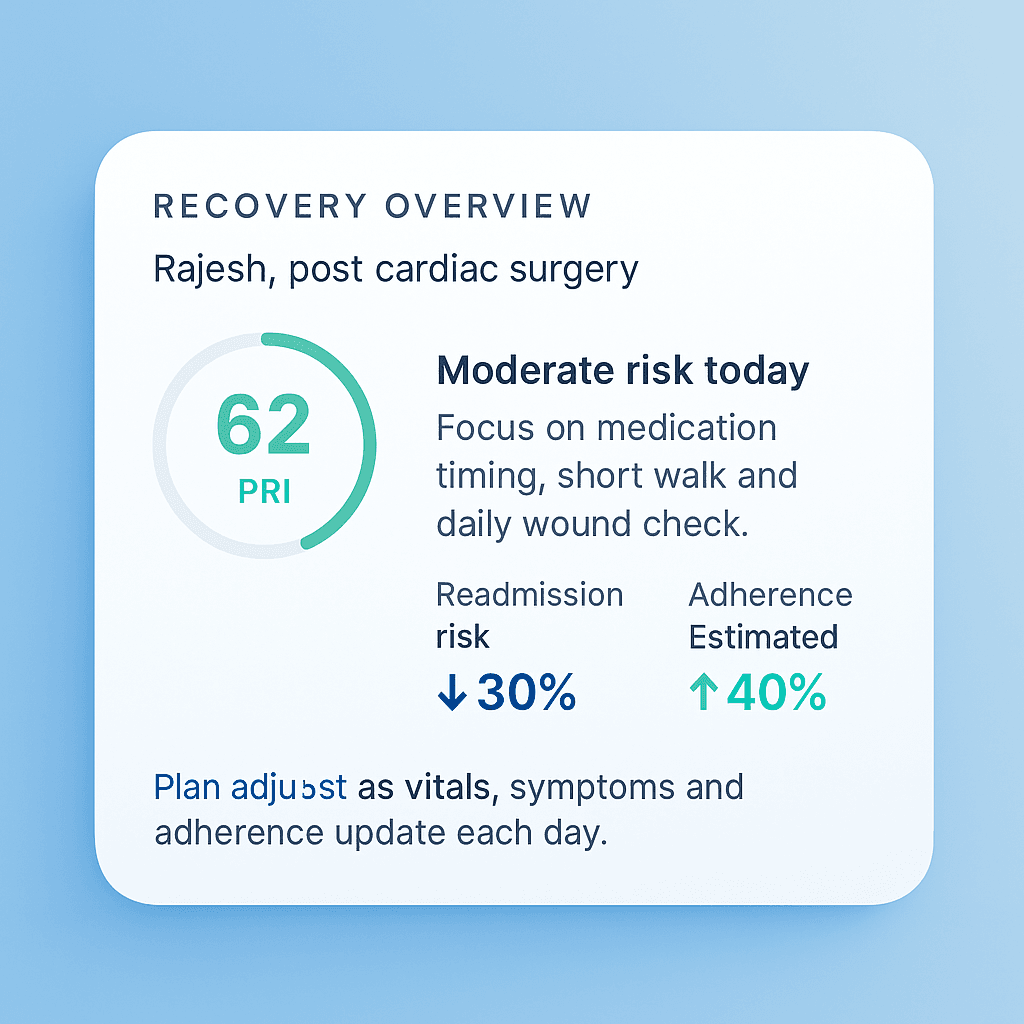
He missed a few doses, ignored a low grade fever and waited. Ten days after discharge, he was back in the ward with an infection.
Genity turns those ten days into simple steps, reminders and early warnings that are hard to miss.
Discharge file in, 14 day plan out.
No new portal for patients. No extra screens for doctors.
Discharge summary, medication chart and vitals are converted into structured data.
A day by day plan and Preventive Risk Score are created for the next 14 days.
Patients and families receive short, clear messages on WhatsApp. Nurses see only alerts.
What actually changes when you switch.
Same team, same beds, but a very different recovery experience.
Built for Indian families, not just devices.
If it only works for tech savvy people in cities, it does not solve the problem.
No app store, no login. Most families already rely on WhatsApp for health communication.
Messages talk to the person at home who is actually watching the patient.
High volume units can onboard pilots without changing core hospital systems.
Designed for India. Zero extra friction for patients.
Lightweight for teams that are already stretched.
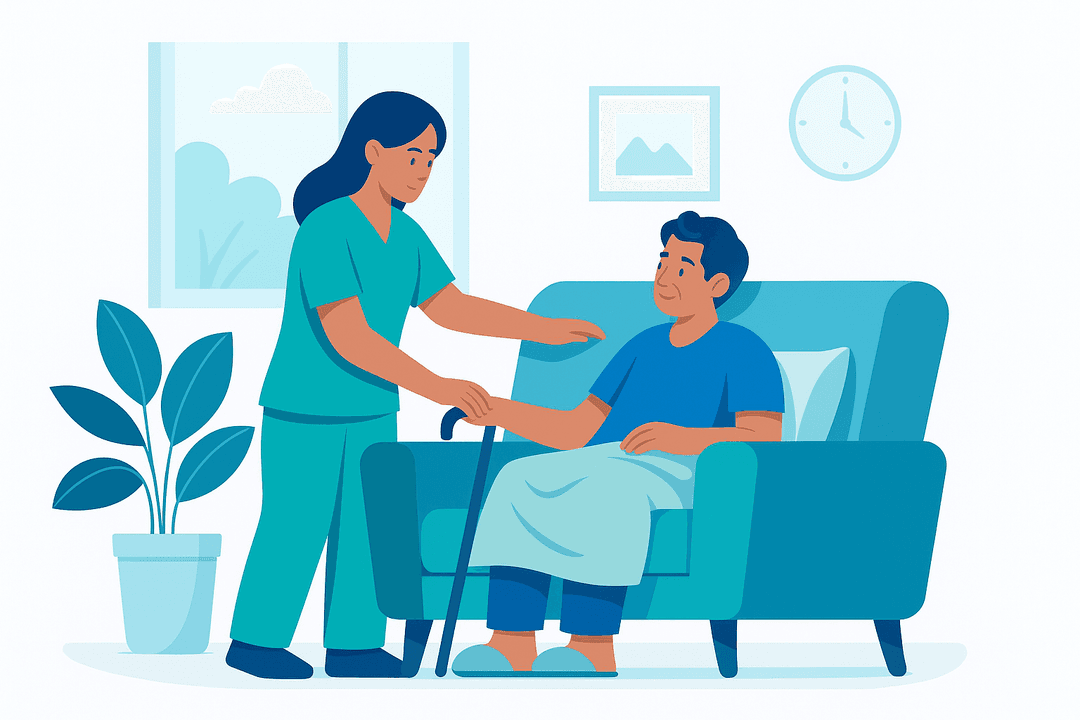
Doctors keep control. Nurses get clarity. No one gets another inbox.
Protocols and templates are agreed once for each pathway.
Eligible patients get a plan as part of routine discharge, not as a separate step.
Patients are sorted by risk and attention needed today.
Only patients that move into higher risk bands trigger alerts for doctors.
Recovery is not a side project.
Data, consent and clinical safety sit at the center of the product.
Patient data is encrypted in transit and at rest, on infrastructure that follows health grade security practices.
Controls and flows are designed to sit well with NABH and HIPAA expectations from day one.
Plans and nudges start only after clear, recorded consent from the patient.
Product decisions are made with direct input from Narayana clinicians.
What it feels like on the ground.
Short, honest feedback from the people who would actually use this.
“With this in place, I know which three patients out of thirty need a call today. It helps me focus on the right cases.”
“I did not have to guess what to do every morning. I just followed the steps that came on my phone.”
“Instead of searching online at night, we could check the message for the day and know what was normal and what was not.”
Start recovery in a different way.
The pilot focuses on cardiac and other high risk surgeries at Narayana Health in India. A small, well watched group to prove outcomes quickly.
Share your details and the team will coordinate with your Narayana unit if your case fits the current pilot.